Coconut butter is a creamy coconut spread made from dried coconut. It can be quite expensive to buy at the store, but you can make it at home in just minutes!
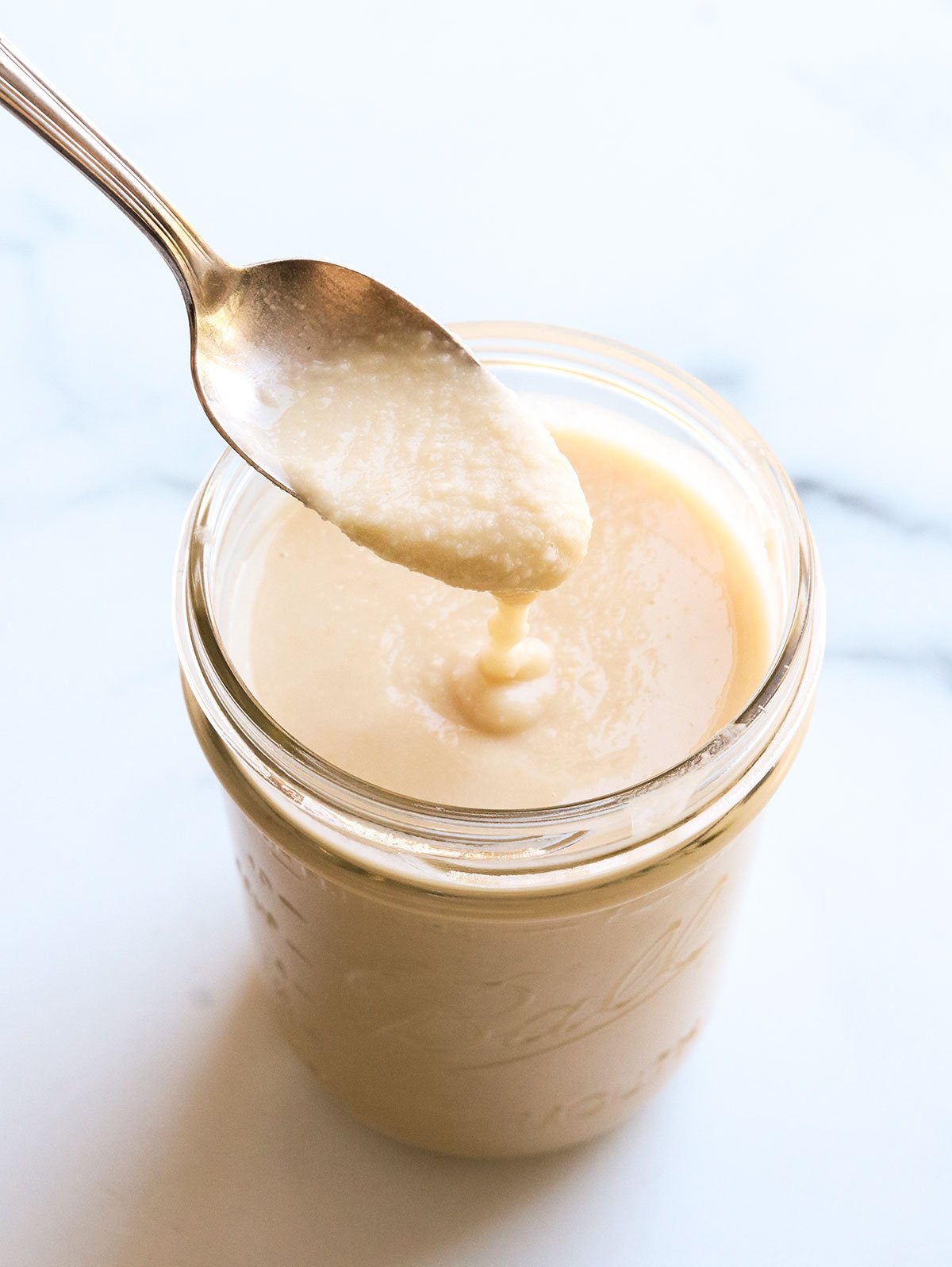
What is coconut butter? Just like peanut butter is made from ground peanuts, and almond butter is made from ground almonds, coconut butter is made from ground coconut.
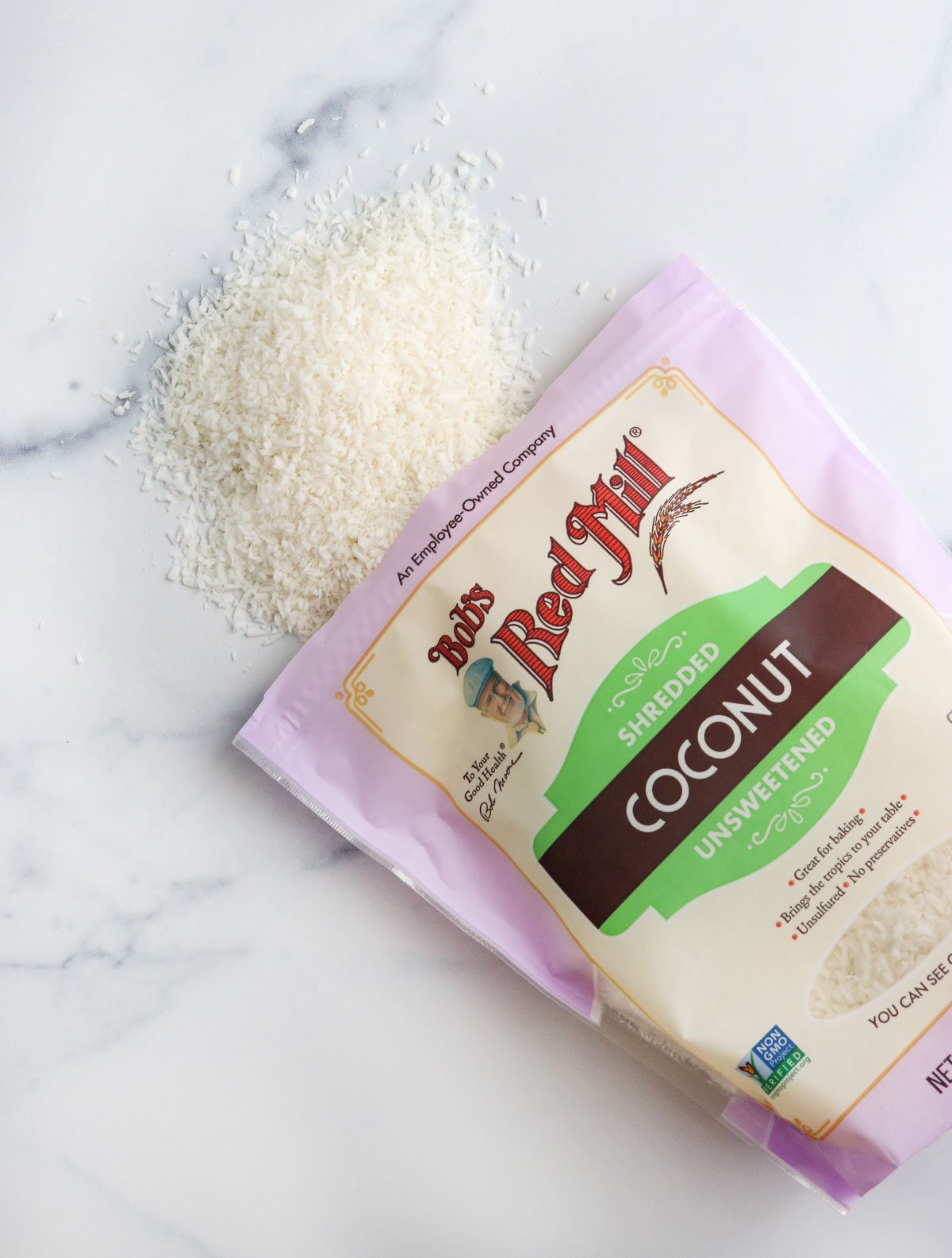
Be sure to use shredded, unsweetened coconut for the best results. (Not the flaked sweetened coconut commonly used in baking.) This spread is naturally gluten-free and dairy-free, and since it has no added sugar, it’s also Paleo and Keto-friendly.
How to Make Coconut Butter
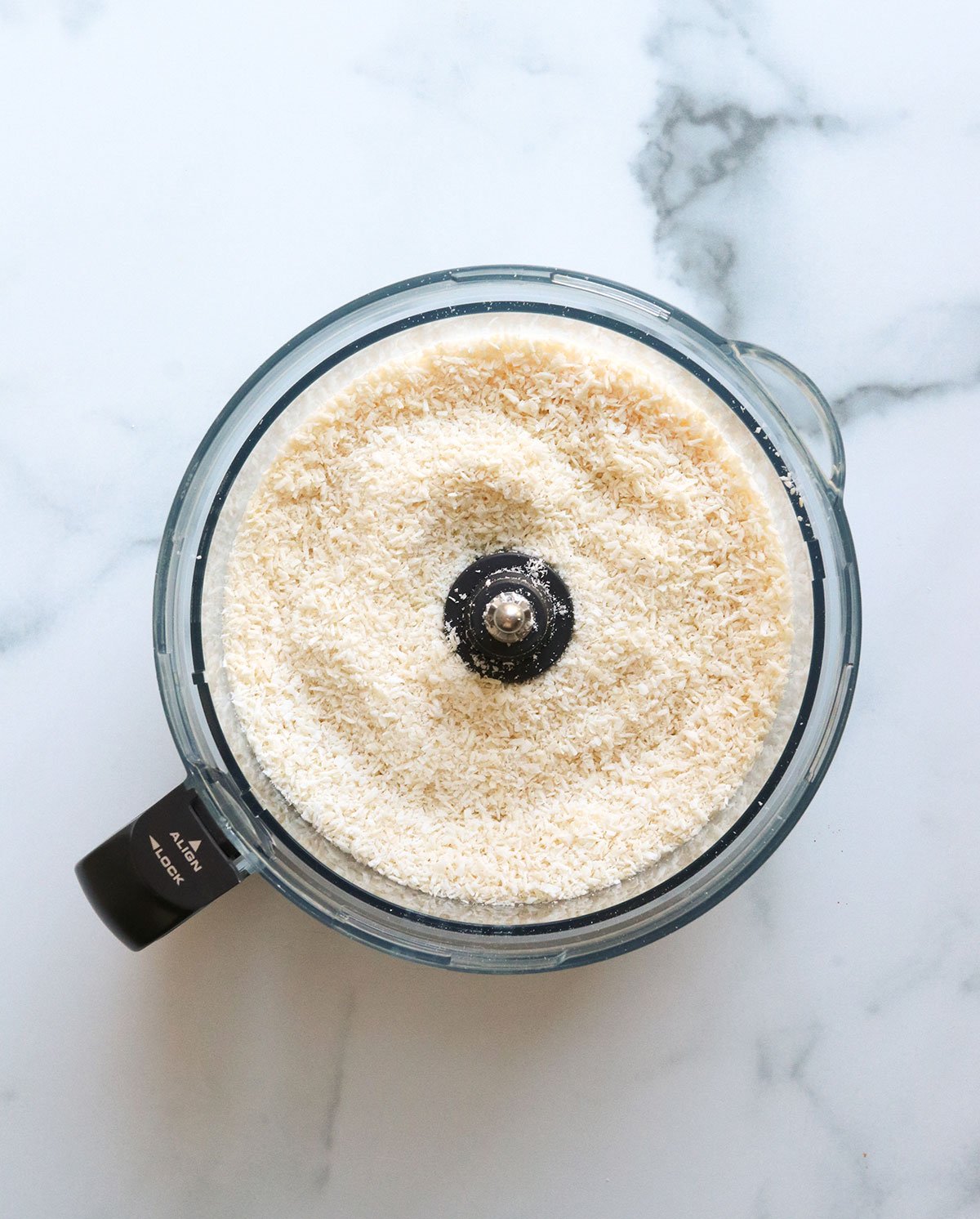
Add 16 ounces of shredded unsweetened coconut to a large food processor fitted with an “S” blade. (I use a 12-cup machine.) Don’t use less than this amount unless you have a smaller machine, as there won’t be enough quantity to keep everything blending smoothly.
Secure the lid on the machine and start processing. It will take 5 to 10 minutes of blending for the coconut to change into a butter-like consistency.
Stop and scrape down the sides with a spatula as needed, to make sure no coconut flakes are missed.
Once the coconut butter looks smooth and will drip off of a spoon, it’s ready to use. Don’t be surprised if it has a slightly fibrous texture when you taste it; this is simply the nature of coconut butter.
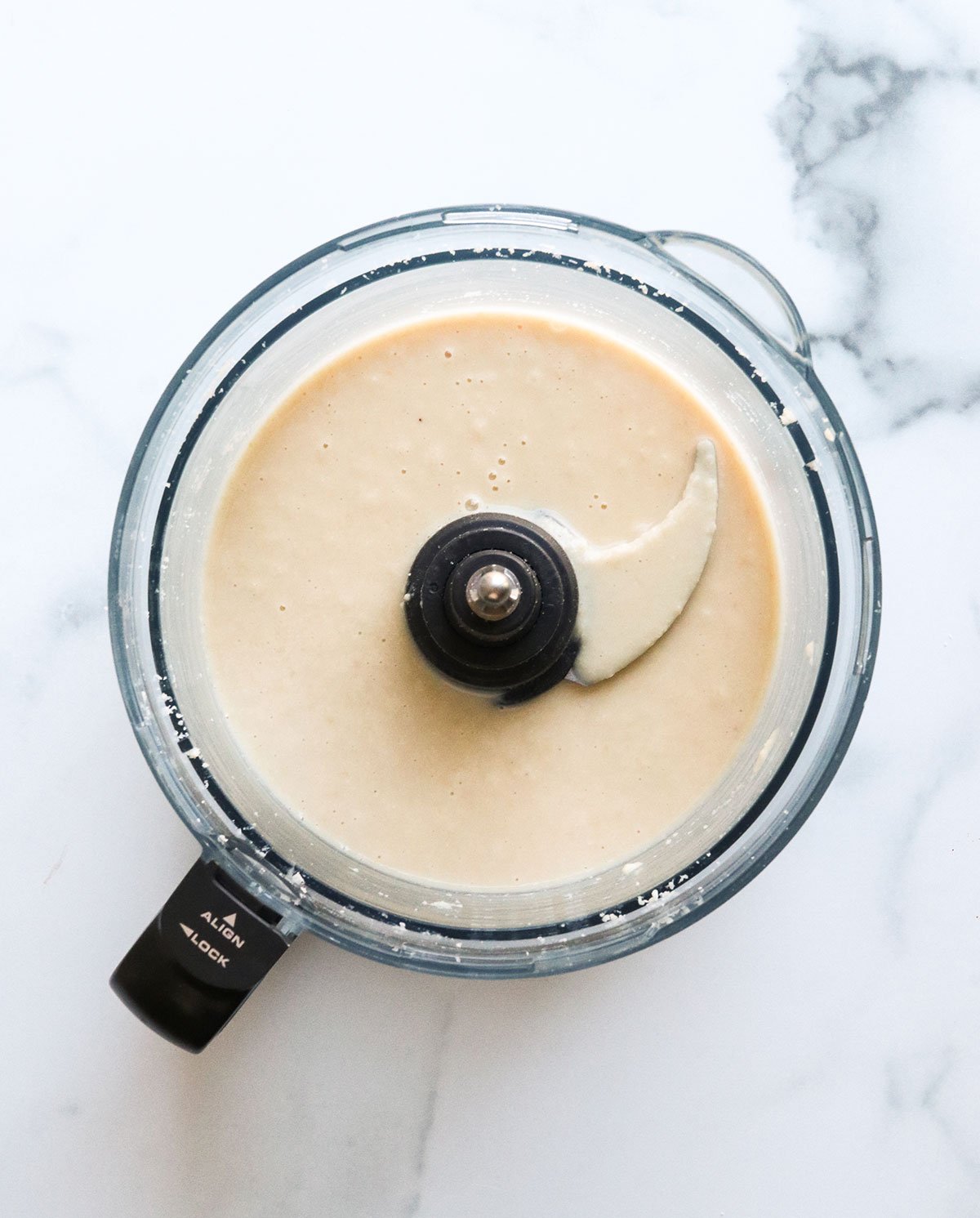
Transfer the homemade coconut butter to a jar with a lid. Coconut butter can be stored in an airtight container for up to a month at room temperature, or for up to 3 months in the fridge. It will harden when chilled, but you can warm it up to make it pourable again.
Storage Tip: Keep moisture out of your coconut butter jar for the longest shelf life. Don’t add any additional flavorings and always use a clean, dry utensil to remove the coconut butter, so you won’t introduce any moisture or bacteria into the jar.
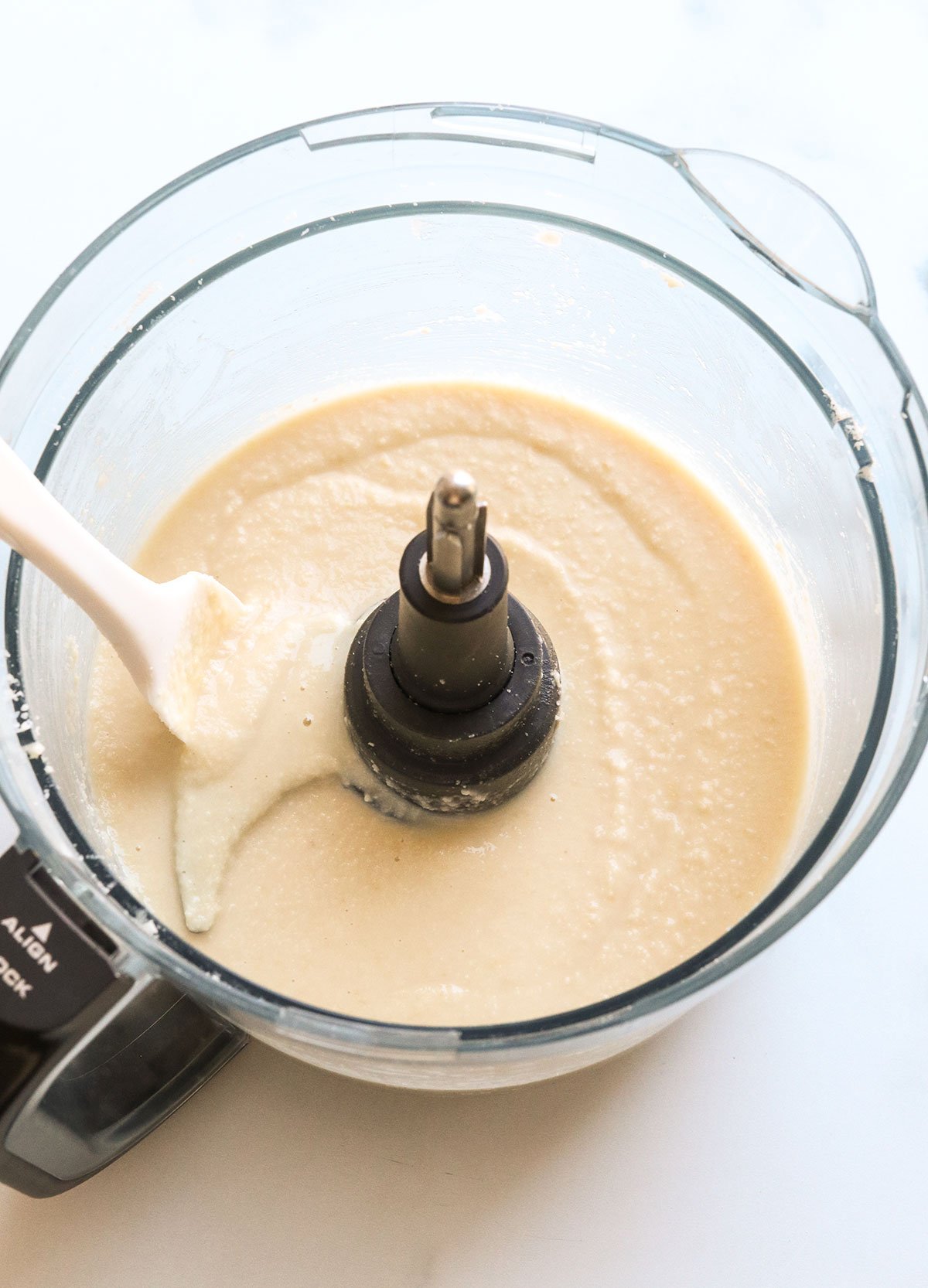
Note: If you don’t have a food processor, you can use a high-powered blender (like a Vitamix) to make coconut butter instead. Be sure to use a machine with a tamper, so the coconut will be pushed towards the blades often when you blend it.
How to Use Coconut Butter
Coconut butter can be used as a spread on toast, waffles, and pancakes. Drizzle it over a bowl of oatmeal to make it more filling or over your favorite desserts.
It can also be used as a swap for nut butters in many cases! I don’t recommend adding it to smoothies, however, as the coconut butter will harden when chilled and may make the texture unappealing.
To reduce the oil or butter in a recipe, you can replace up to half the amount called for with coconut butter. This will add extra fiber to the recipe, so it may taste slightly “healthier” in that case.
If you’d like to use coconut butter in a recipe, start with Coconut Macaroons or swap it for almond butter in Chocolate Coconut Macaroons .
Note: I’ve replaced the coconut oil in my Vegan Fudge recipe with coconut butter, and results were not bad! (It’s a little less melt-in-your mouth with the extra fiber added.) While I might not make it this way for guests, my family devoured it.
Coconut oil is extracted from the plant, so it has no fiber and is in liquid form when melted. Coconut butter is made from pulverized coconut, so it includes the fiber and has a thicker texture, similar to a nut or seed butter.
Yes, just like coconut oil, coconut butter is solid when it’s cooler than 78ºF. You can warm it up again for easier measuring and mixing.
Coconut butter tastes like straight coconut. It’s lightly sweet and nutty, and I find it to be very pleasant! But, if you’re not a coconut fan, this recipe probably isn’t for you.
Looking for more coconut flavor? Try Coconut Flour Brownies , Chocolate Coconut Milk Ice Cream , and Coconut Panna Cotta .
IngredientsUS CustomaryMetric1x2x3x
- 16 ounces shredded unsweetened coconut (about 4 1/2 cups)
Instructions
- Pour the shredded coconut into the bowl of a large food processor (I use a 12-cup machine) fitted with an “S” blade. Secure the lid and begin processing. After 5 minutes, stop and scrape down the sides of the bowl, to make sure everything is incorporated evenly. (You mustn’t use less than 16 ounces of coconut unless you have a much smaller food processor.)
- Continue processing, until the coconut looks pulverized, almost like a paste. After 2 to 3 more minutes, it should have a drippy consistency, with a slightly grainy appearance.
- Continue processing the coconut, until you hear a “sloshing” sound. This is a sign that the coconut butter is much smoother. It may still feel slightly grainy when you taste it, but it should easily drip off of a spoon. It should take 10 minutes or less to achieve this texture, from start to finish.
- Store the coconut butter in a sealed glass jar at room temperature for up to a month. Be sure to avoid adding any moisture to the jar for best shelf life, and you can store it for up to 3 months in the fridge, if you prefer. Please note that it will turn solid if stored in a cool place. You can set the jar in a bowl of hot water or melt it over a double-boiler to use it again.
Video
Notes
Nutrition
How to Make Coconut Butter
Equipment
- Food Processor
Ingredients
- 16 ounces shredded unsweetened coconut (about 4 1/2 cups)
Instructions
- Pour the shredded coconut into the bowl of a large food processor (I use a 12-cup machine) fitted with an “S” blade. Secure the lid and begin processing. After 5 minutes, stop and scrape down the sides of the bowl, to make sure everything is incorporated evenly. (You mustn’t use less than 16 ounces of coconut unless you have a much smaller food processor.)
- Continue processing, until the coconut looks pulverized, almost like a paste. After 2 to 3 more minutes, it should have a drippy consistency, with a slightly grainy appearance.
- Continue processing the coconut, until you hear a “sloshing” sound. This is a sign that the coconut butter is much smoother. It may still feel slightly grainy when you taste it, but it should easily drip off of a spoon. It should take 10 minutes or less to achieve this texture, from start to finish.
- Store the coconut butter in a sealed glass jar at room temperature for up to a month. Be sure to avoid adding any moisture to the jar for best shelf life, and you can store it for up to 3 months in the fridge, if you prefer. Please note that it will turn solid if stored in a cool place. You can set the jar in a bowl of hot water or melt it over a double-boiler to use it again.
