
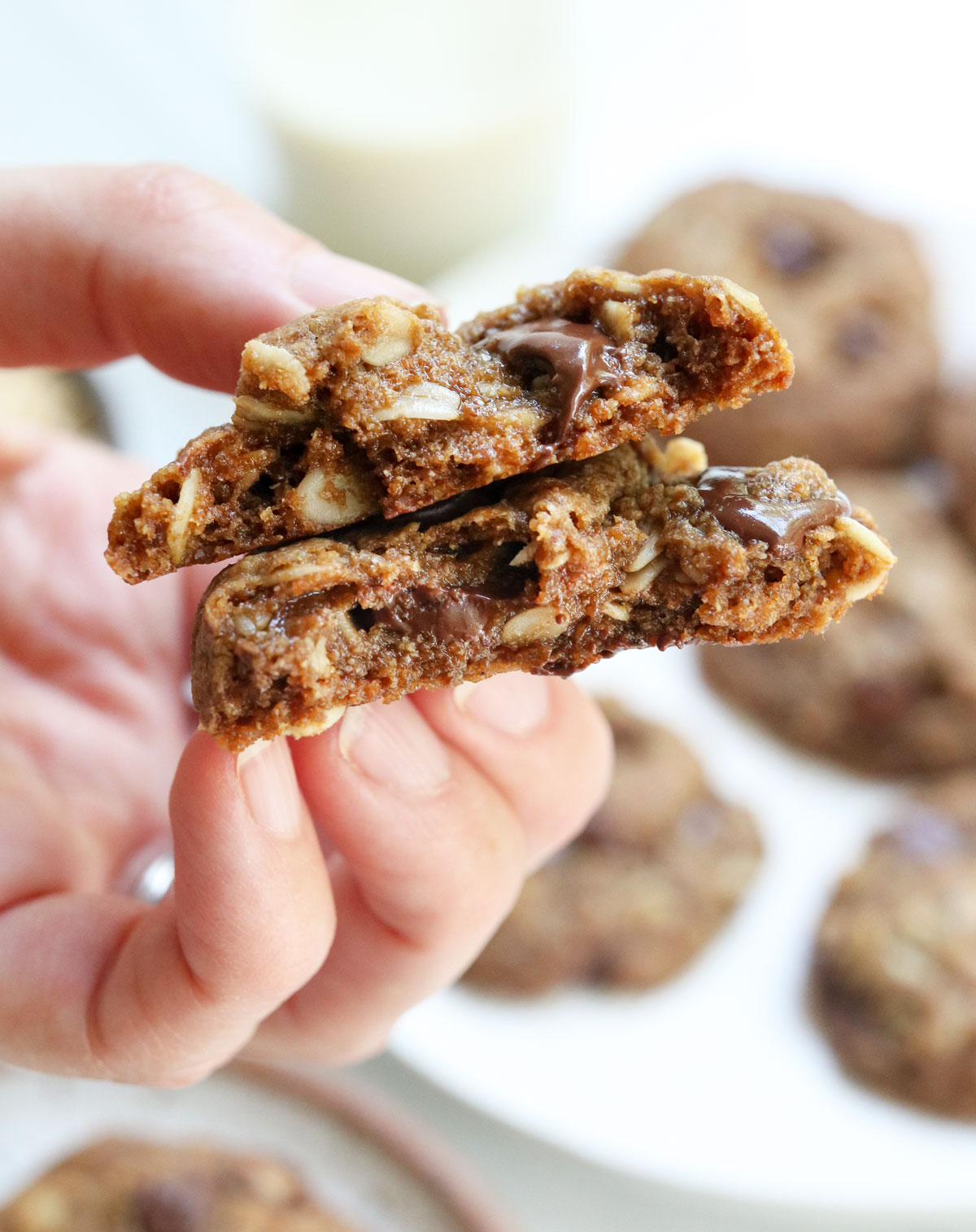
Not all lactation cookies are created equal. If you’re looking for a cookie recipe that uses less refined sugar but still tastes like a delicious treat, this one is for you.
I’ve spent weeks refining this recipe to make it as nourishing as possible without compromising the flavor. I’ve learned that brewer’s yeast comes in different varieties, so be sure to read my notes below and avoid the mistakes I made during the testing process.
(This will help you avoid gross-tasting cookies!)
I love these cookies so much that even though I’m no longer nursing my babies, I still can’t resist taste-testing them when I make a batch. They are my go-to gift for new moms and freeze beautifully for a late-night breastfeeding snack.
⭐⭐⭐⭐⭐ Featured Review “I had made another recipe that I’d gotten from my lactation consultant that I really did not like at all. These are SO GOOD.” -Angelina
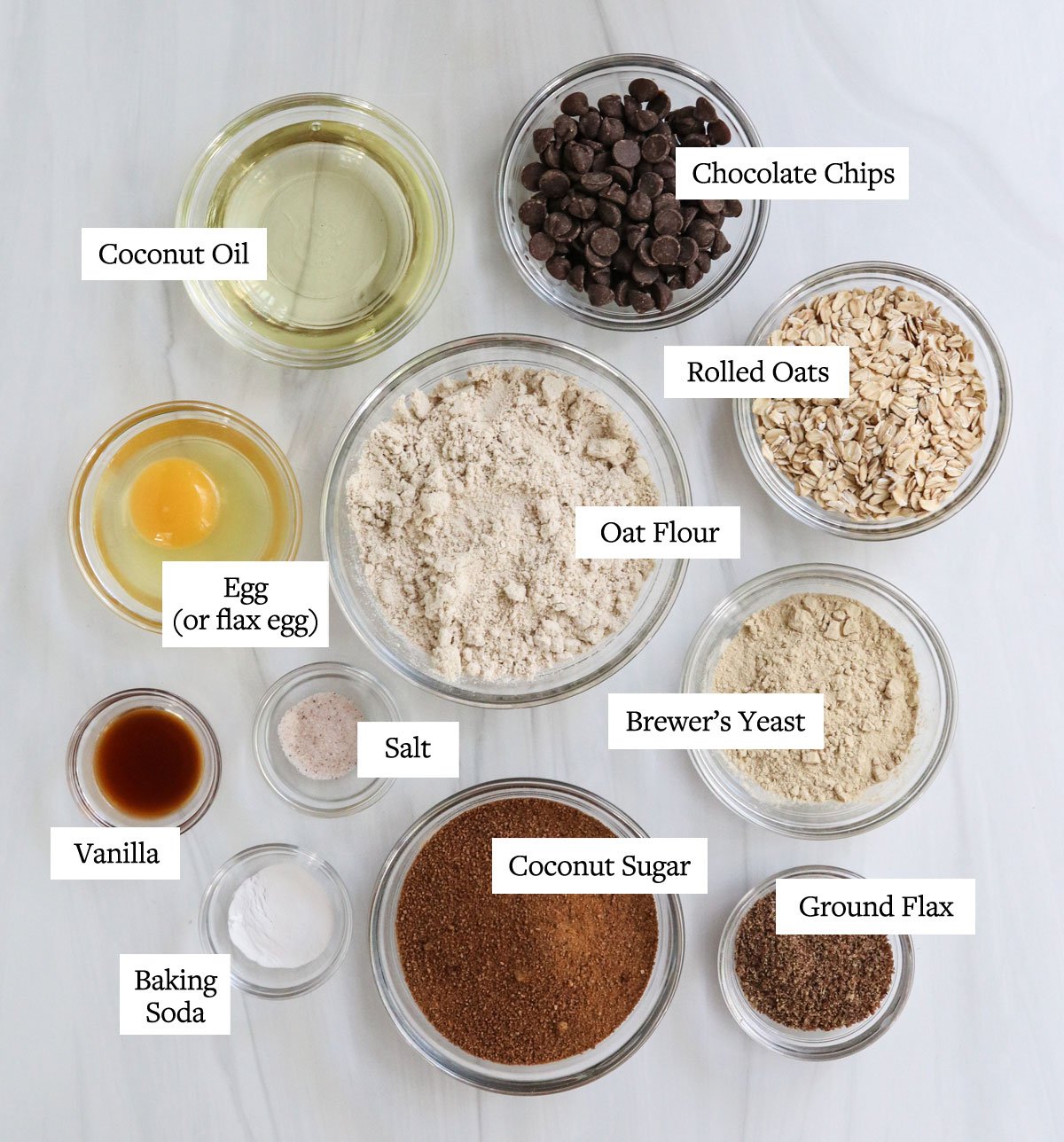
Lactation Cookie Ingredients
Here’s what you’ll need:
- Oat Flour and Rolled Oats. Since oats may help with milk production, these cookies get a double dose! First, we use oat flour (which is simply ground oats) and add extra rolled oats for texture.
- Brewer’s Yeast. Brewer’s yeast also has a reputation for helping to boost milk production, but it can have an unpleasant taste. Look for “de-bittered” on the label when shopping for this ingredient. This product is available in powder or flakes, and I find the flakes to be the most neutral in flavor; however, either option will work for this recipe.
- Coconut Oil. This recipe uses coconut oil instead of butter because it has medium-chain fatty acids, including lauric and capric acid, which may help boost both mom’s and baby’s immune systems. ( source ) For the most neutral-flavored cookie, use refined or expeller-pressed coconut oil, which has zero coconut flavor. If you use virgin coconut oil, it will impart a subtle coconut flavor.
- Ground Flax. This ingredient is also known to support lactation, so it’s added to the cookies as a substitute for some of the flour typically found in a regular cookie recipe. (It also adds bonus fiber!)
- Egg. The egg is used for added protein and binding to help hold the cookies together. If you need an egg-free option, a flax egg can be used as a substitute; however, the cookies will be slightly softer and more fragile in this case.
- Coconut Sugar. This granulated sugar is a great alternative to white sugar. It has a similar flavor to brown sugar and will help the cookies spread as they bake. (If you try to use less sugar, the cookies won’t spread as much.)
- Pantry Staples. Vanilla extract and salt complement the flavor in these cookies, while baking soda helps them spread evenly. Ensure you use fresh baking soda for optimal results, as old baking soda may prevent these cookies from rising and spreading as much.
Food Allergy Tip
These lactation cookies are dairy-free and gluten-free when made with a certified gluten-free brewer’s yeast and gluten-free oat flour. You can also make your own homemade oat flour , if you need to. It’s a great way to sneak more oats into these cookies.
How to Make Lactation Cookies
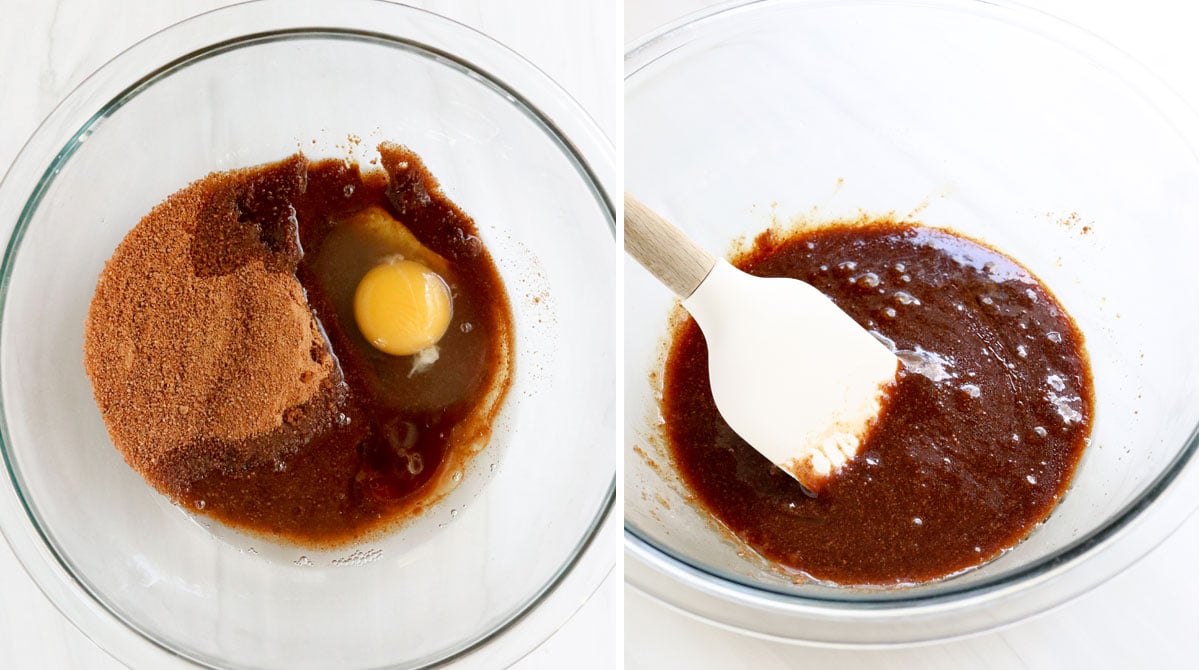
Step 1:
Add the melted coconut oil, vanilla, sugar, and egg to a large mixing bowl and mix well. This is similar to “creaming” together the butter and sugar, as you would in a traditional recipe, except that the coconut oil here is melted for easier measurement.
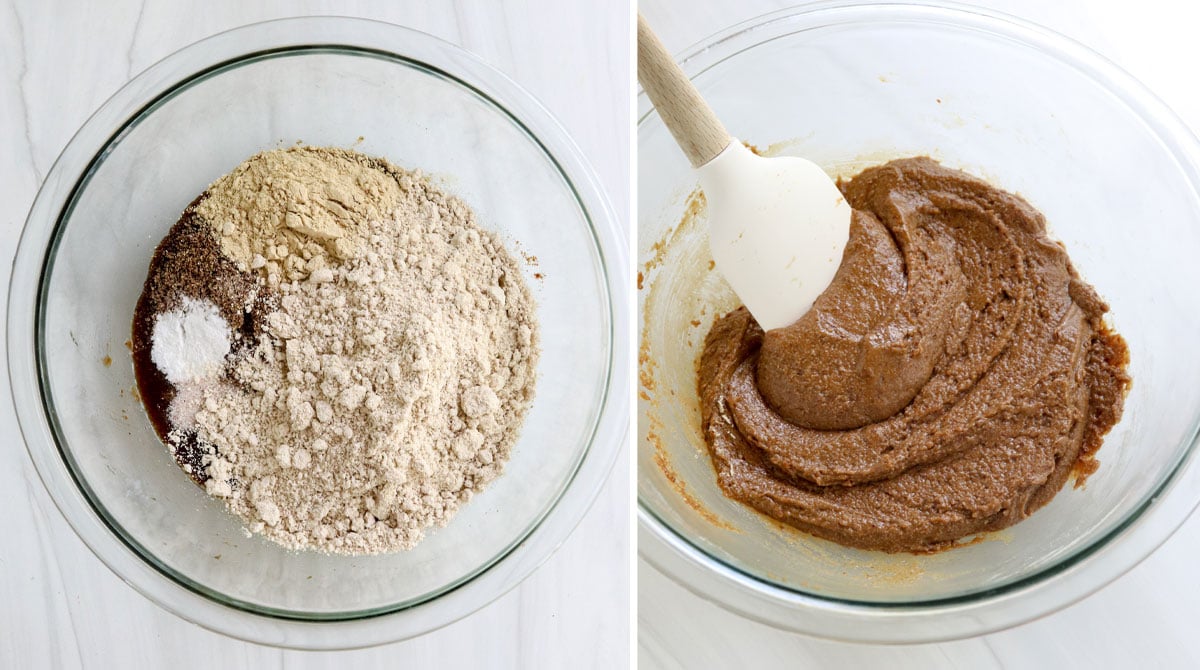
Step 2:
Next, add in the ground flax seeds, brewer’s yeast, oat flour, baking soda, and salt. Mix well, until the batter sticks together, with no white flour visible. It might take a few minutes to stir it together evenly.
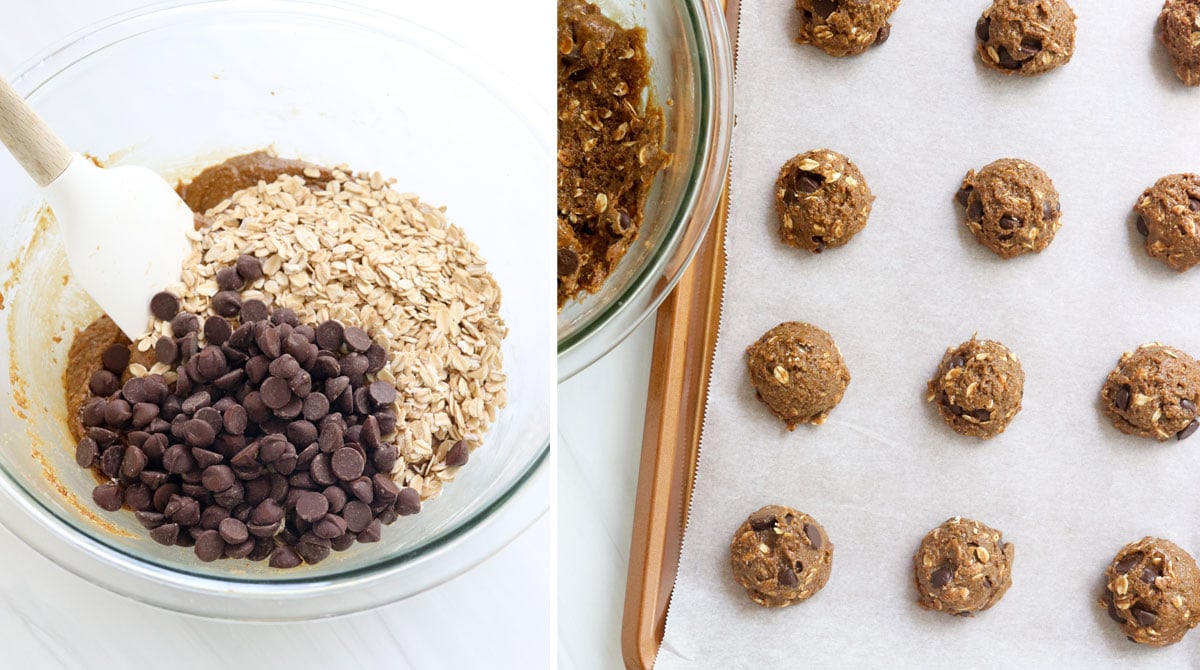
Fold in the rolled oats and chocolate chips. The batter will be slightly thick and shiny, with oats and chocolate chips speckled throughout.
Step 3:
Line a large baking sheet with parchment paper, then use a cookie scoop or tablespoon to scoop the dough onto the lined pan. Keep the cookie dough mounds 2 inches apart, to allow for spreading.
This batch makes roughly 20 cookies, so you’ll need to use two baking sheets if you want to bake them all at once. Otherwise, you can bake them in two batches.
Step 4:
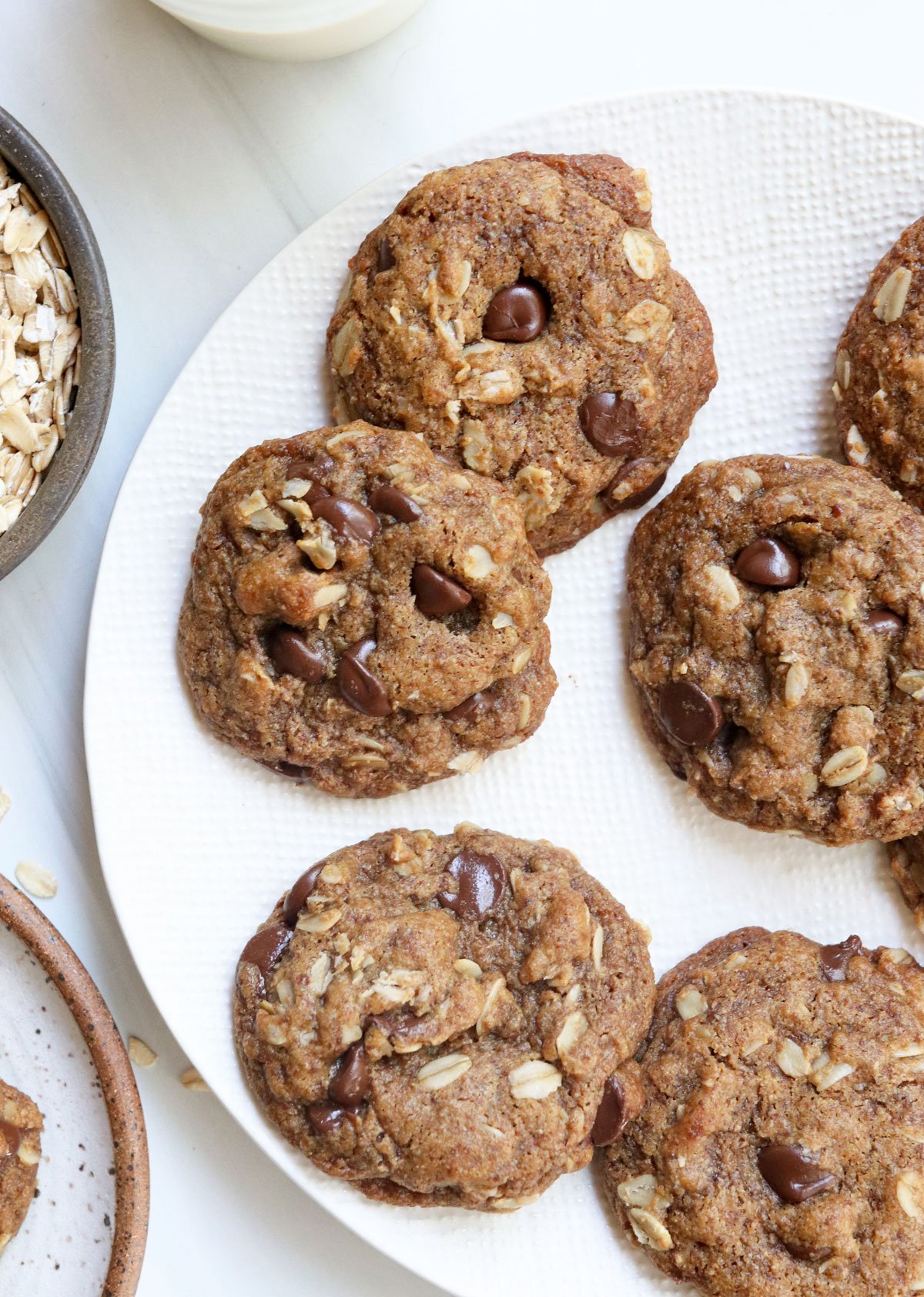
Bake the lactation cookies for 8 to 10 minutes, or until they spread and start to turn lightly golden around the edges. Let them cool on the pan for at least 15 minutes, allowing them to firm up even more.
Once they are cool, they are ready to enjoy!
Variations
If you have substitution questions, I’ll offer my best suggestions here.
- Can I use a different flour? You can most likely use all-purpose or whole wheat flour with similar results in this recipe, or buckwheat flour is a great gluten-free option. Keep in mind that this recipe calls for oat flour to incorporate more oats, which may help support milk supply.
- Can I use a different sugar? Using granulated sugar is crucial to achieve a chewy texture in the cookies. If you use white sugar or brown sugar instead, the cookies will be sweeter than intended. In that case, feel free to experiment with reducing the sugar intake. (This might also affect the texture— sugar makes the cookies spread as they bake.)
- Do I have to use brewer’s yeast ? If you don’t have brewer’s yeast on hand (or you can’t get past the flavor), you can replace it with three extra tablespoons of oat flour, or try using nutritional yeast instead. It is speculated that brewer’s yeast works as a galactagogue because it helps boost nutrition by boosting B vitamins and chromium, but you can find those in nutritional yeast, too.
IngredientsUS CustomaryMetric1x2x3x
- ⅓ cup melted coconut oil (see notes)
- ¾ cup coconut sugar
- 1 large egg (or 1 flax egg; see notes)
- 1 teaspoon vanilla extract
- 1 cup oat flour (certified gluten-free, if needed)
- 2 tablespoons ground flax seeds
- ¼ cup debittered brewer’s yeast (see notes)
- ½ teaspoon baking soda
- ½ teaspoon sea salt
- ½ cup old fashioned oats
- ½ cup chocolate chips
Instructions
- Preheat the oven to 350ºF and line a large baking sheet with parchment paper. In a large bowl, combine the coconut oil, sugar, egg, and vanilla and mix well.
- Add in the oat flour, ground flax seeds, brewer’s yeast, baking soda and salt, and stir again until a thick batter is formed. It may take a few minutes of stirring to incorporate the dry ingredients evenly. Fold in the oats and chocolate chips. (Do not taste-test the batter at this point.)
- Use a 1-ounce cookie scoop or tablespoon to scoop the dough and drop it onto the lined pan, about 2 inches apart to allow for the cookies to spread. You should get 18-20 cookies from this recipe, so you’ll need to use 2 pans, or bake in 2 separate batches. Bake at 350ºF for 8 to 10 minutes, until the cookies have spread and are lightly golden around the edges.
- When the cookies are done baking, let them cool on the pan for at least 15 minutes before serving. Once they have totally cooled to room temperature, you can store them in an airtight container in the fridge for up to a week. Or, freeze them for up to 3 months, if you want to make a double-batch.
Notes
- Use coconut oil that is labeled “refined” or “expeller pressed” if you want a cookie with zero coconut flavor. You can also replace the coconut oil with a 1/2 cup of softened butter, if you prefer.
- To make a vegan lactation cookie, replace the egg by adding an extra tablespoon of ground flax seed plus 3 tablespoons of water to make a flax egg substitute .
- Brewer’s yeast can taste VERY bitter and ruin the flavor of your cookies. Look for non-bitter or debittered yeast for the tastiest results. (I most recently tried Blue Bonnet’s brewer’s yeast flakes, which have no bitter flavor.) You can also try using nutritional yeast instead, or replace this with a scoop of unflavored protein powder or an extra 3 tablespoons of oat flour, for a similar texture.
- If you are gluten-intolerant be sure buy certified gluten-free oats. If you cannot find a brewer’s yeast that is certified gluten-free, try using nutritional yeast instead, which is thought to have similar properties for milk production.
Nutrition
More Recipes to Try
- Oat Flour Banana Bread
- Banana Overnight Oats
- Date Energy Balls

Healthy Lactation Cookies
Ingredients
- ⅓ cup melted coconut oil (see notes)
- ¾ cup coconut sugar
- 1 large egg (or 1 flax egg; see notes)
- 1 teaspoon vanilla extract
- 1 cup oat flour (certified gluten-free, if needed)
- 2 tablespoons ground flax seeds
- ¼ cup debittered brewer’s yeast (see notes)
- ½ teaspoon baking soda
- ½ teaspoon sea salt
- ½ cup old fashioned oats
- ½ cup chocolate chips
Instructions
- Preheat the oven to 350ºF and line a large baking sheet with parchment paper. In a large bowl, combine the coconut oil, sugar, egg, and vanilla and mix well.
- Add in the oat flour, ground flax seeds, brewer’s yeast, baking soda and salt, and stir again until a thick batter is formed. It may take a few minutes of stirring to incorporate the dry ingredients evenly. Fold in the oats and chocolate chips. (Do not taste-test the batter at this point.)
- Use a 1-ounce cookie scoop or tablespoon to scoop the dough and drop it onto the lined pan, about 2 inches apart to allow for the cookies to spread. You should get 18-20 cookies from this recipe, so you’ll need to use 2 pans, or bake in 2 separate batches. Bake at 350ºF for 8 to 10 minutes, until the cookies have spread and are lightly golden around the edges.
- When the cookies are done baking, let them cool on the pan for at least 15 minutes before serving. Once they have totally cooled to room temperature, you can store them in an airtight container in the fridge for up to a week. Or, freeze them for up to 3 months, if you want to make a double-batch.
Notes
- Use coconut oil that is labeled “refined” or “expeller pressed” if you want a cookie with zero coconut flavor. You can also replace the coconut oil with a 1/2 cup of softened butter, if you prefer.
- To make a vegan lactation cookie, replace the egg by adding an extra tablespoon of ground flax seed plus 3 tablespoons of water to make a flax egg substitute .
- Brewer’s yeast can taste VERY bitter and ruin the flavor of your cookies. Look for non-bitter or debittered yeast for the tastiest results. (I most recently tried Blue Bonnet’s brewer’s yeast flakes, which have no bitter flavor.) You can also try using nutritional yeast instead, or replace this with a scoop of unflavored protein powder or an extra 3 tablespoons of oat flour, for a similar texture.
- If you are gluten-intolerant be sure buy certified gluten-free oats. If you cannot find a brewer’s yeast that is certified gluten-free, try using nutritional yeast instead, which is thought to have similar properties for milk production.
Nutrition
https://detoxinista.com/vegan-lactation-cookies-gluten-free/
